


The US and Iran have entered a spiral of escalation, once again exchanging large-scale military strikes. This occurred just two weeks after the signing of a peace memorandum that was supposed to halt the conflict and open the strategic Strait of Hormuz. Both sides accuse each other of violating the ceasefire.
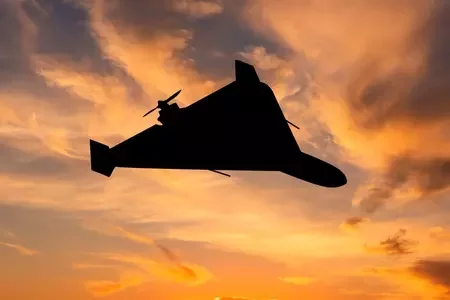
A new wave began after an Iranian drone attacked a Panama-flagged merchant vessel in the Strait of Hormuz. In response, U.S. Central Command (CENTCOM) conducted nighttime strikes on 10 targets inside Iran, bombing missile, drone, and air defense system depots.
U.S. Navy and Air Force fighter jets conducted strikes tonight on 10 Iranian military targets at multiple locations in and near the Strait of Hormuz for Iran's drone attack on M/T Kiku. pic.twitter.com/Z0TLZRqmF6
Donald Trump stated on Truth Social that Tehran is not abiding by the agreement, and warned: if it becomes necessary to finish the job militarily, "the Islamic Republic of Iran will cease to exist."
Hours later, Iran responded with missile strikes and drone attacks on American military bases in Kuwait and Bahrain.
The Islamic Revolutionary Guard Corps (IRGC) announced the destruction of eight important U.S. infrastructure targets and promised to make "hell" for American forces in the region in the coming days. There is no information yet about casualties among U.S. personnel.
This is the second exchange of strikes in the last 24 hours. Tensions began to rise on June 25, when Iran shelled a Singaporean bulk carrier for "unauthorized routing."
U.S. Vice President JD Vance, who led negotiations with Iran, urged Tehran to resolve issues by phone, not by force, and warned that violence would always be met with a response. Amid the new fighting, the world is bracing for another jump in oil prices, which had only just begun to fall after the June agreement.
Now reading


«You walk — and there are dead bodies everywhere». Mikhail from Lahoisk, who fought for Russia, is shocked at how Ukrainians track every step of Russian soldiers




Comments